Rabbi Sacks shares a story about his father, an immigrant to Britain who had to leave school at a young age to help support his family. Walking home with his father from synagogue as a child he would question his father about Judaism. His father would give the same answer every time: “I never had a Jewish education, so I cannot answer your questions. But, one day you will have the education that I never had and when that will happen, you will teach me the answers to those questions.”
Sefer Malachi (3:23–24) tells us of the task of Eliyahu HaNavi, the herald of the ultimate redemption: “He will turn the hearts of the parents to their children, and the hearts of the children to their parents.”
Rabbi Moshe Alshich asks how we act in order to succeed in educating our children. He said: “It is what you love that your children will learn to love.” It is the way your life reflects your loves, those are the things that our children will absorb and eventually make their own.” Rabbi Sacks commented: “It is by reflecting our love for Jewish life and practice that our children will choose to commit to become engaged and enthusiastic Jews.”
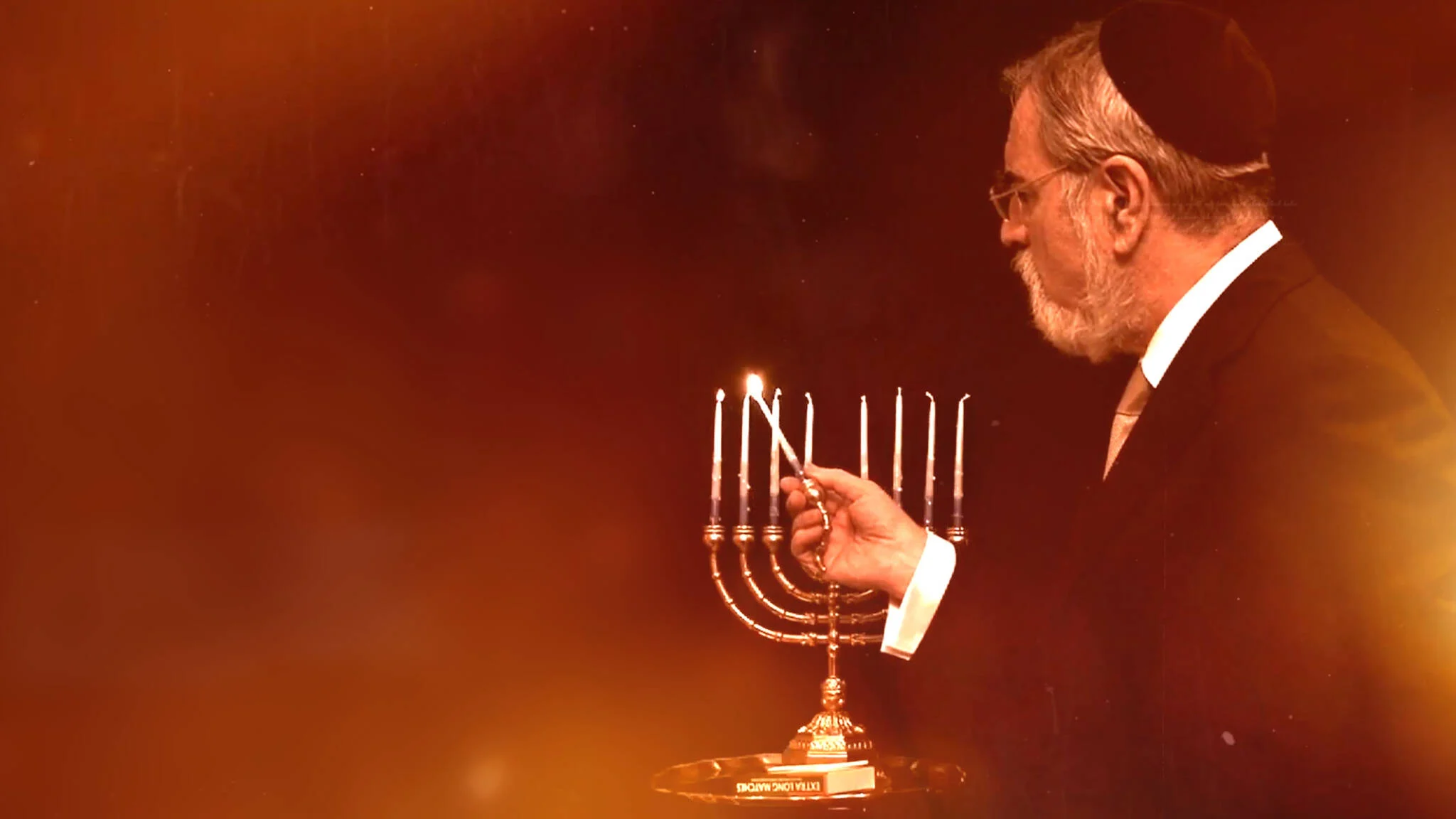
Chanukah, is related to the word chanuch, meaning re-dedication, referring to the re-dedication of the Temple by the Maccabees. Chanukah is also related to the word chinuch, meaning education. On Chanukah we don’t celebrate the re-dedication of the Temple, a physical building, rather we celebrate the living embodiments of Judaism, namely our children.
As Rabbi Sacks said in Radical Then, Radical Now: “Moses realised that a people achieves immortality not by building temples or mausoleums, but by engraving their values on the hearts of their children, and they on theirs, and so on until the end of time.”
Chanukah Sameach
 rEddieTalk